


What Are Soft Tissue Facial Injuries? Causes and Symptoms Explained
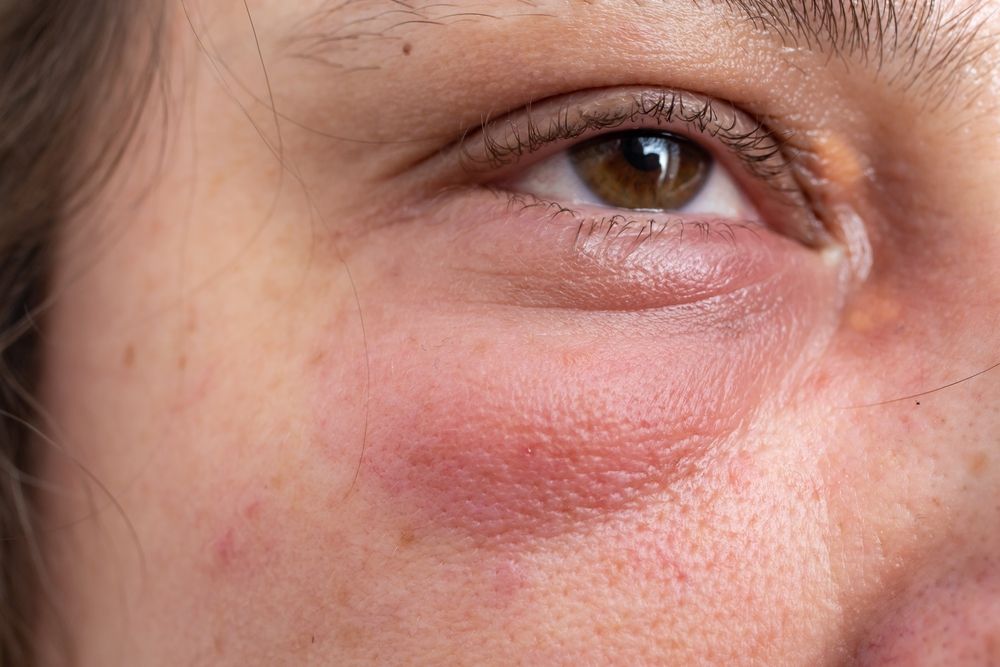
Facial trauma can happen in an instant - from a fall, sports injury, or accident - and while broken bones often get immediate attention, many injuries affect the soft tissues of the face. These structures include the skin, muscles, blood vessels, nerves, and oral lining. Even without fractures, soft tissue facial injuries can be painful, complex, and potentially serious.
At Oral Surgical Associates, we evaluate and treat a wide range of facial soft tissue injuries to protect both function and appearance.
What Are Soft Tissue Facial Injuries?
Soft tissue facial injuries involve damage to the non-bony structures of the face. This includes the skin and underlying muscles, as well as critical nerves and blood vessels that control sensation, movement, and circulation. Because the face contains delicate anatomical structures in a small area, even seemingly minor trauma deserves careful assessment.
Common Causes of Facial Soft Tissue Trauma
Soft tissue injuries to the face most commonly result from:
- Falls and slips
- Sports-related impacts
- Motor vehicle accidents
- Physical altercations
- Workplace or household accidents
The severity of injury often depends on the force and direction of impact.
Types of Soft Tissue Facial Injuries
Soft tissue injuries vary in depth and complexity. Some primarily affect the surface, while others involve deeper structures such as nerves or vascular tissues.
Neurovascular Injuries
Neurovascular injuries occur when trauma affects the nerves or blood vessels of the face. These injuries may not always be immediately visible but can cause symptoms such as numbness, tingling, facial weakness, or prolonged bleeding. Because facial nerves control expression and sensation, early evaluation is important to help prevent long-term complications.
Lacerations
Lacerations are cuts or tears in the skin or oral tissues. They may be caused by blunt force or sharp objects and can range from shallow wounds to deeper injuries involving muscle or connective tissue. Proper closure is essential to reduce infection risk and minimize scarring, especially in highly visible areas of the face.
Abrasions and Contusions
Abrasions occur when the outer layer of skin is scraped away, often from sliding against a rough surface. Contusions, commonly known as bruises, result from blunt trauma that damages small blood vessels under the skin. While these injuries are often less severe, significant swelling or persistent pain may indicate deeper tissue involvement.
Epistaxis (Nosebleeds)
Epistaxis, or nosebleeds, frequently occurs after facial trauma. While some nosebleeds are minor, ongoing or heavy bleeding may signal damage to nasal soft tissues or underlying structures. Persistent bleeding should always be evaluated to rule out more serious injury.
Cheek Injuries
Cheek injuries may involve the external facial skin or the internal lining of the mouth. Trauma can lead to swelling, bruising, cuts, or difficulty opening the mouth. In some cases, deeper structures such as salivary ducts or facial nerves may be affected, requiring specialized care.
Symptoms That Should Not Be Ignored
After any facial injury, monitor for concerning signs, including:
- Uncontrolled or prolonged bleeding
- Increasing swelling or severe pain
- Numbness or facial weakness
- Difficulty chewing, speaking, or opening the mouth
- Signs of infection such as redness or discharge
These symptoms may indicate more extensive soft tissue or underlying structural damage.
Why Prompt Evaluation Is Important
The face contains a complex network of nerves, muscles, and blood vessels that play essential roles in expression, speech, chewing, and sensation. Improperly treated soft tissue injuries can result in infection, noticeable scarring, nerve damage, or long-term functional issues.
Oral and maxillofacial surgeons are uniquely trained to assess both soft tissue trauma and potential underlying injuries to ensure comprehensive care and optimal healing.
Trusted Care When Facial Injuries Happen
Soft tissue facial injuries - including neurovascular injuries, lacerations, abrasions, contusions, epistaxis, and cheek injuries - can range from minor to serious. Even when no bones are broken, the impact on facial function and appearance can be significant. Early evaluation and proper treatment are key to preventing complications and supporting a smooth recovery.
If you or a loved one has experienced facial trauma, contact Oral Surgical Associates for a thorough evaluation. Visit our office in Missoula or Hamilton, Montana, or call (406) 282-8768 to book an appointment today.


©2026 Oral Surgical Associates All Rights Reserved.
Accessibility Statement | Privacy Policy | Sitemap
Powered by: 