


Why Does Jaw Pain Flare Up During Montana Winters? (TMJ & Impacted Teeth Triggers)
Why Does Jaw Pain Flare Up During Montana Winters? (TMJ & Impacted Teeth Triggers)
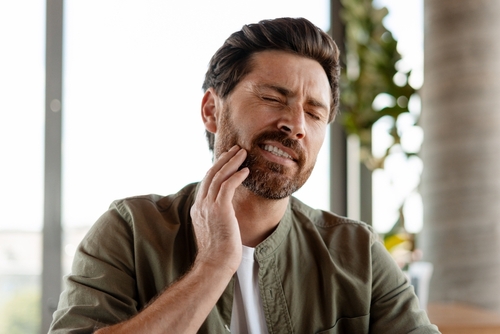
Jaw pain during a Montana winter can make chewing, talking, or enjoying time outdoors uncomfortable. If symptoms seem worse when temperatures drop, the weather may be only part of the picture. At Oral Surgical Associates, we help patients in Missoula and Hamilton identify whether discomfort involves the jaw joints, chewing muscles, or a dental problem such as impacted wisdom teeth.
Can Cold Weather Affect TMJ Pain?
Your temporomandibular joints, or TMJs, connect your lower jaw to your skull. Conditions affecting these joints and nearby muscles are called temporomandibular disorders, or TMDs.
Some people notice more jaw discomfort in cold weather, but research has not established that low temperatures directly cause TMD. A winter flare-up deserves attention to your symptoms and habits rather than an assumption that the temperature explains everything.
Clenching and Winter Habits
Pay attention to whether you hold your teeth tightly together during a cold commute or a stressful day. Repeated clenching can contribute to sore, tired jaw muscles. Stress can also play a role in teeth grinding, including grinding that happens while you sleep.
Morning jaw tightness, headaches, or tooth sensitivity may be reasons to discuss grinding with us. Hard or chewy foods can also aggravate an already painful jaw. During a Missoula winter, noticing when discomfort starts can help us identify patterns that matter for your care.
Could Impacted Teeth Be Responsible?
Impacted teeth cannot fully emerge into their normal position. Wisdom teeth are a common example, and problems around these teeth can cause pain near the back of the jaw.
Winter does not cause a tooth to become impacted. However, inflammation, decay, or infection around an impacted tooth can develop in any season. A partially erupted wisdom tooth may trap food and bacteria beneath the surrounding gum tissue.
Tender gums, swelling behind the last molar, an unpleasant taste, or difficulty opening your mouth warrant an evaluation. These symptoms can overlap with TMJ complaints, so the location of pain alone cannot confirm the cause.
Simple Ways to Reduce Jaw Strain
For mild muscle-related discomfort while you arrange an evaluation, we may recommend:
Choosing softer foods temporarily and avoiding gum or tough, chewy snacks.
Keeping your teeth slightly apart when resting instead of clenching.
Applying a comfortably warm, moist compress to sore jaw muscles.
Noting whether symptoms occur after waking, chewing, stressful situations, or time outdoors.
These steps may ease muscle discomfort, but they do not treat an infected or impacted tooth.
When to Have Jaw Pain Evaluated
Persistent pain, painful clicking, or jaw locking should be assessed. We review your symptoms, examine your mouth and jaw, and use imaging when indicated. Many TMD problems respond to conservative care; wisdom tooth treatment depends on the tooth's position and any associated disease.
Seek urgent dental care for facial swelling, fever, or worsening dental pain. Trouble breathing or swallowing, or rapidly spreading swelling, requires emergency medical attention.
If winter jaw pain is disrupting your day, contact Oral Surgical Associates in Missoula and Hamilton, MT, by calling (406) 282-8768. Schedule a consultation with our team to discuss your symptoms and appropriate treatment options.


©2026 Oral Surgical Associates All Rights Reserved.
Accessibility Statement | Privacy Policy | Sitemap
Powered by: 