


Getting Dental Implants in Missoula: How Bone Grafting Prepares Your Jaw for Permanent Tooth Replacement
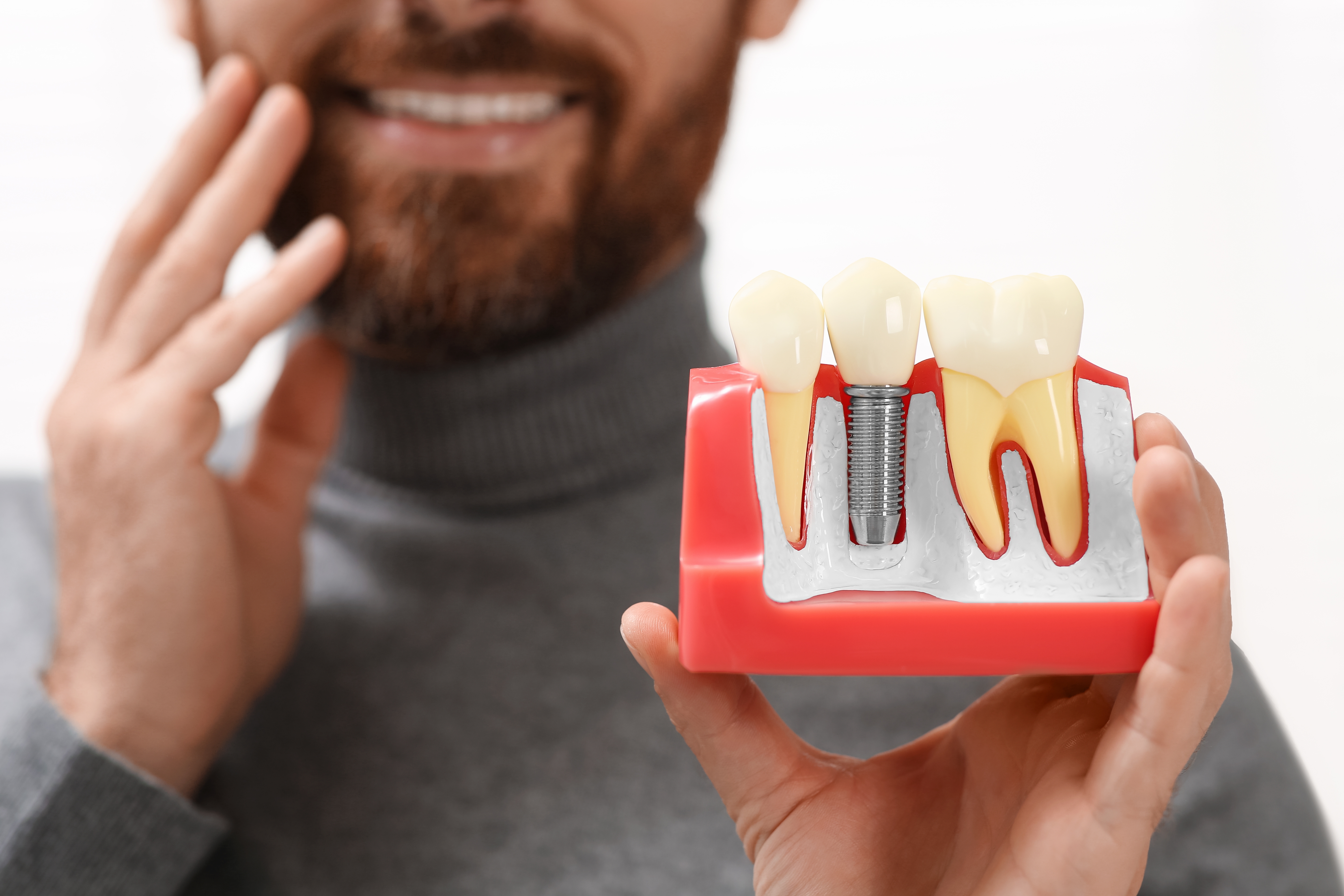
Dental implants are one of the most reliable options for replacing missing teeth, but successful treatment depends on more than the implant itself. The jawbone needs enough strength, height, and width to support the implant securely. When bone has been lost after tooth loss, gum disease, injury, or long-term denture use, bone grafting may be recommended before dental implant placement.
At Oral Surgical Associates in Missoula, patients can receive advanced oral surgery care, including dental implants and preparatory procedures such as bone grafting.
Why Bone Matters For Dental Implants
A dental implant is placed into the jawbone, where it is designed to act like an artificial tooth root. Over time, the implant and surrounding bone heal together to create a stable foundation for a crown, bridge, or denture.
If the jawbone is too thin or too weak, the implant may not have the support it needs. Bone grafting helps rebuild or preserve the area so the jaw is better prepared for long-term tooth replacement.
Why Jawbone Loss Happens
Jawbone loss is common after a tooth is removed or lost. Without a tooth root stimulating the bone, the area can begin to shrink over time. The longer a tooth has been missing, the more bone changes may occur.
Bone loss may also be related to gum disease, infection, trauma, or previous dental problems. Some Missoula patients are surprised to learn they need bone grafting because the area may not hurt or feel different. Imaging and a surgical evaluation are often needed to see the full picture.
What Is Bone Grafting?
Bone grafting is a procedure that adds bone material to an area of the jaw that needs more support. The graft acts as a framework that encourages new bone growth as the body heals. Once the area is strong enough, the dental implant can often be placed with better stability.
Bone grafting may be performed at the time of tooth extraction, before implant placement, or as part of a more complex reconstruction plan. The timing depends on your bone health, the location of the missing tooth, and your overall treatment goals.
When Bone Grafting May Be Needed
Your oral surgeon may recommend bone grafting if there is not enough healthy bone for predictable implant placement. This can happen in several situations, including:
- A tooth has been missing for a long time
- Bone was damaged by infection or gum disease
- A tooth extraction left a large socket
- The jaw ridge is too narrow or thin
- The implant site needs more height or width
- Trauma affected the jawbone
- Dentures or partials have been worn for years
- Imaging shows inadequate bone support
A consultation helps determine whether grafting is necessary and what type of approach may be best.
What To Expect During The Process
Before treatment, your oral surgeon will evaluate your mouth, medical history, imaging, and implant goals. If bone grafting is recommended, the procedure is planned around the specific area that needs support.
After grafting, healing time is needed before the implant can be placed. This gives the grafted area time to mature and integrate with your natural bone. Some patients may need several months of healing before moving forward with implant placement.
Your surgical team will explain recovery instructions, follow-up visits, and what to expect based on your individual case.
Does Bone Grafting Hurt?
Bone grafting is performed with appropriate anesthesia or sedation options based on the procedure and patient needs. Some soreness, swelling, or tenderness can be expected during recovery, but your oral surgery team will provide instructions to help you heal comfortably.
Following post-operative directions is important. This may include avoiding certain foods, keeping the area clean, taking medications as directed, and attending follow-up appointments.
Building A Stronger Foundation For Your Smile
Bone grafting can feel like an extra step, but it often plays an important role in creating a stable foundation for dental implants. By improving bone volume and support, grafting helps prepare the jaw for permanent tooth replacement and more predictable long-term results.
To schedule a dental implant or bone grafting consultation, contact Oral Surgical Associates in Missoula, MT at 1547 S Higgins Ave. Ste D, Missoula, MT 59801, or call (406) 282-8768.


©2026 Oral Surgical Associates All Rights Reserved.
Accessibility Statement | Privacy Policy | Sitemap
Powered by: 